Home › Costs and guides › Interior vs exterior waterproofing
GuideInterior vs exterior waterproofing
One manages water after it reaches the wall; the other stops it at the outside face. Both work. They suit different houses, budgets and plans.
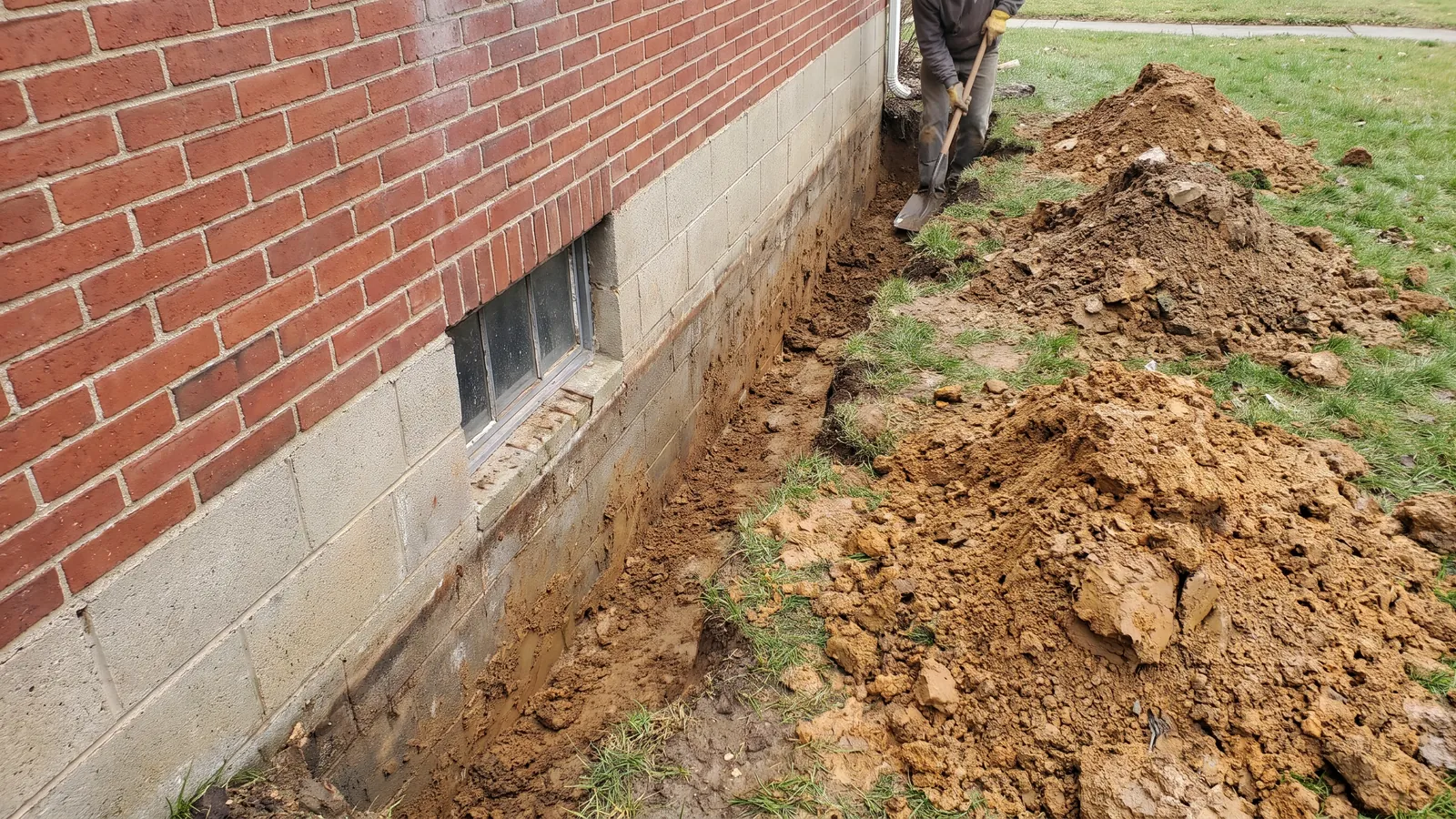
Side by side
| Interior drainage | Exterior waterproofing | |
|---|---|---|
| Where it works | Under the basement floor edge | On the outside face of the wall |
| What it does | Collects water and pumps it out | Keeps water off the wall |
| Relative cost | Lower | Higher |
| Disruption | Inside the basement | Yard, plantings, walks |
| Permit | Often not needed | Usually needed |
| Weather | Any season | Better outside of freezing weather |
| Wall stays dry | No, but water is controlled | Yes |
Choose interior when
- Water enters along the floor joint around much of the basement.
- The walls are structurally sound.
- Patios, driveways or additions sit against the foundation.
- Budget matters and the basement will stay unfinished or be finished with framing off the wall.
Choose exterior when
- A wall is soaked through and the masonry is deteriorating.
- The original footer drain has failed and the soil holds water against the wall.
- You want the wall itself dry, for example behind a high-end finish.
- The house has good access around the wet walls.
The clay factor
Columbus clay holds water against foundations. Exterior work takes that pressure off the wall; interior drainage relieves it at the bottom of the wall. In practice many jobs mix them: exterior work on the worst wall, interior drainage elsewhere. We price the combination when it makes sense.
Questions
Does interior waterproofing just hide the problem?
No. It doesn't stop water reaching the wall, but it stops it reaching the room. The water is carried out by the sump.
Can exterior work be done in winter?
Excavation is possible, but coatings need temperatures above their minimums, so many exterior jobs are scheduled from spring to fall.
More reading: all costs and guides · FAQ